

Everything announced at MWC 2026: Lenovo’s wild foldable gaming handheld, Honor’s Robot Phone, and more
MWC 2026 officially gets underway on March 2 and will continue through March 5, but the announcements are already pouring in ahead of its start. We can always count on the annual tech event to bring tons of new phones, laptops and tablets, and we're expecting to see some robots and other gadgets too — plus plenty of AI news, of course. In addition to the announcements, MWC is our chance to get hands-on time with some of the most interesting new devices, like the Xiaomi 17 Ultra and Honor's Robot Phone.
Engadget’s Mat Smith is on the ground in Barcelona, and we'll be updating this story as the week goes on to keep you in the loop on everything that caught our attention. Keep checking back here for the latest MWC news.
Lenovo
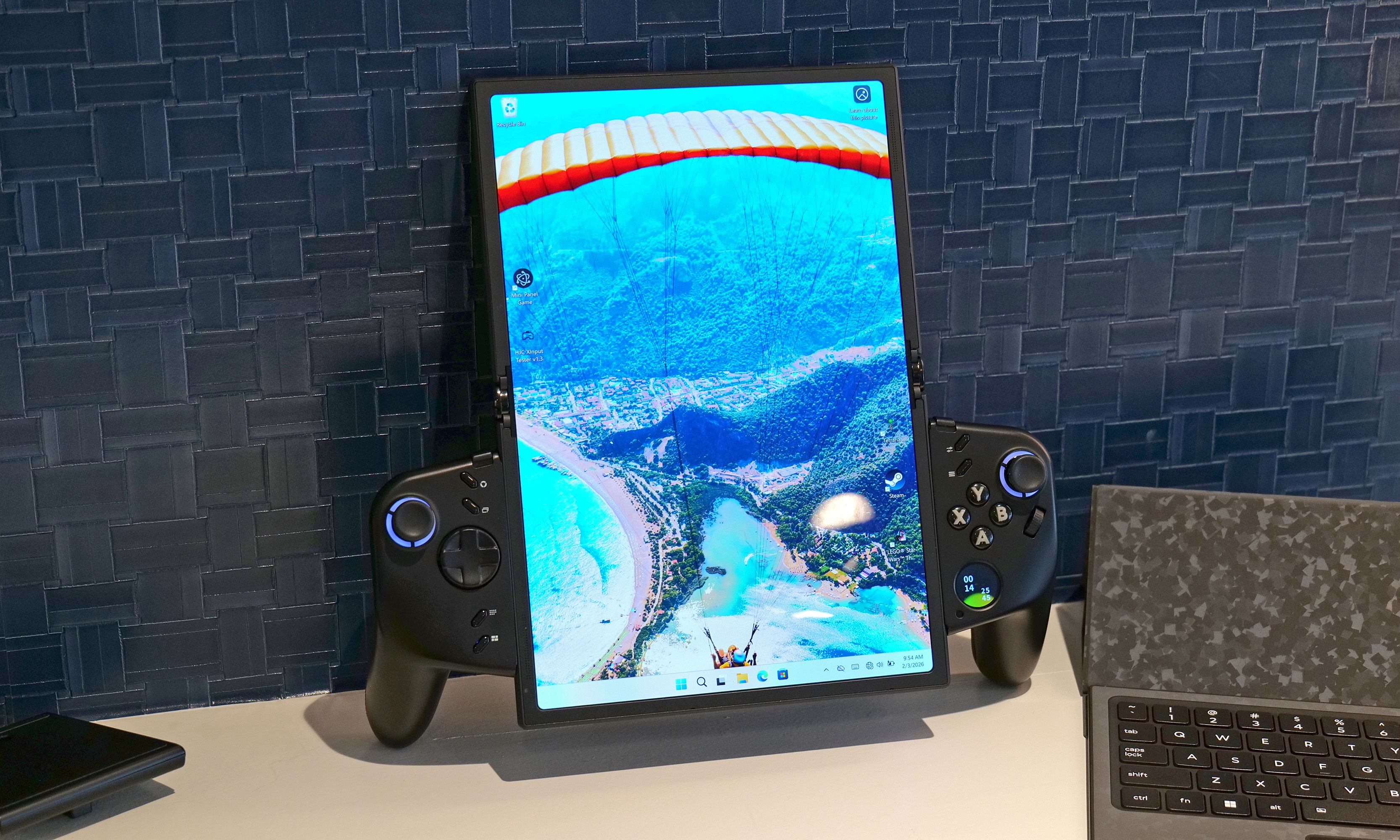
Lenovo pulled up to MWC with a bunch of new products and concepts, but if there's one thing everyone's going to be talking about, it's the Legion Go Fold. (Check out Sam Rutherford's coverage of the Legion Go Fold here). In short, the Legion Go Fold is a concept foldable gaming handheld with a flexible display that can unfurl to a massive 11.6 inches. Or, it can be folded in half to become a 7.7-inch display. It has detachable controllers, and there are multiple mounting points along the tablet so you can switch things up between landscape and portrait mode. The left and right gamepads can also be combined into one controller with an accessory, and the display can be propped up kickstand-style with the folio cover.
You think we're done here? We're not. The Legion Go Fold can go laptop mode too, with a strip of pogo pins where a wireless keyboard can be connected. Its right gamepad can serve as a mouse, thanks to the inclusion of a little scroll wheel and a hidden sensor. That gamepad also features a tiny circular OLED display below the buttons, which can both show widgets such as the time and be used as a touchpad.
It is a concept, though, so don't get your hopes up too much about this one going into production. And if it does ever become a real, buyable product, it'll no doubt be expensive.
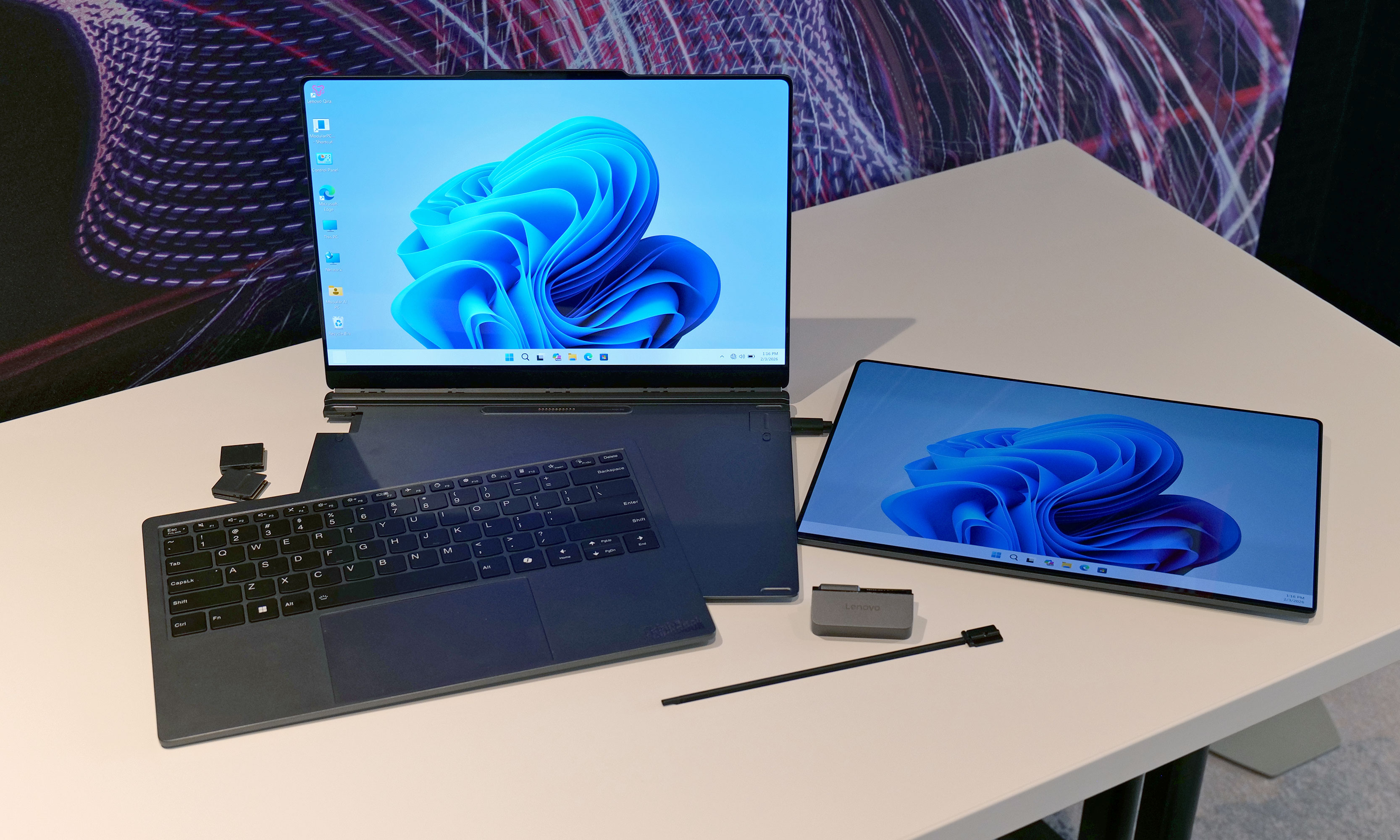
Lenovo also announced its Modular AI PC concept — a laptop with two displays and a detachable keyboard. As Sam Rutherford, who got a chance to check it out in person, explained, "This allows you to move its keyboard and secondary display around at will, so the system can better adjust to its environment or workload." Perhaps even more exciting is that it has hot swappable ports. Lenovo demonstrated it with USB-C, USB-A and HDMI connectors, but said others could be possible too.
Still, while everything looked pretty polished in the demo, Lenovo says this one will remain a concept.
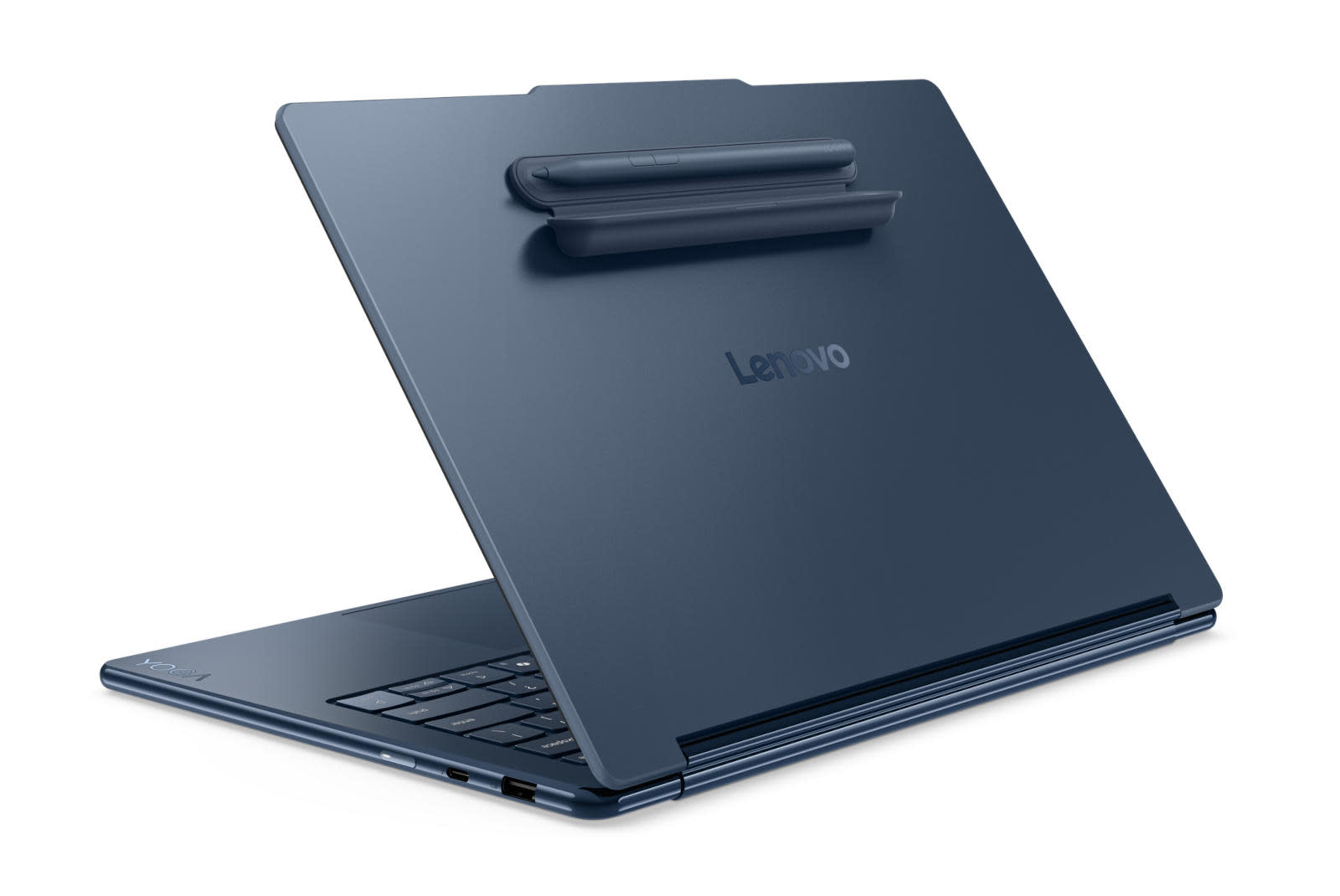
It hasn't all been concepts at MWC. Lenovo also refreshed some of its existing tablet and laptop lineups for 2026. The company introduced the Yoga 9i 2-in-1 Aura Edition Gen 11 (with the new Canvas Mode configuration), starting at $1,949, and the new 15.3-inch Yoga Pro 7a, which starts at $2,099. It's updated its more affordable IdeaPad Slim 5i Ultra laptop ($799) as well. All of those new laptops come with Copilot+ features. For students, Lenovo is launching the 13-inch Idea Tab Pro Gen 2, starting at $419, with its Quira AI assistant and AI tools. You can find all the specs and release dates for those here.
Upgrades are here for Lenovo's ThinkPads too, along with the Yoga-like ThinkBook 2-in-1. And, Lenovo announced a $499 industrial tablet, the ThinkPad X11.
Honor
Honor teased its Robot Phone this past fall and we just finally got a proper look at it at MWC. And it's pretty freakin' cute. The phone is equipped with a camera that's mounted on a highly mobile 4-degrees-of-freedom gimbal, which tucks away into a compartment on the back when it's not in use (making for a pretty beefy camera bump). In a demo at MWC, the camera, which behaves like a little robot head, bobbed along to music and showed off some of its gesture skills, like cocking its “head” and nodding in agreement.
Honor didn't reveal too much spec-wise, but the company says the primary camera uses a 200-megapixel sensor. The gimbal will offer three-axis stabilization, which will be coupled with camera modes such as Super Steady Video and AI Object Tracking. The Robot Phone isn't quite ready for release at the moment, but the company says it will launch later this year.
Be sure to check out Mat Smith's writeup on the Robot Phone for a more in-depth look.

It's not a humanoid robot reveal without some backflips and a choreographed dance performance. Honor introduced its robot at MWC with all the spectacle we've come to expect (though the bot didn't do any talking). It’s simply called the Honor Robot, and the company has plans for it to be used in both industrial and domestic settings.
The Robot Phone isn't the only phone Honor showed off at MWC. The company also announced its Magic V6 smartphone, which it says is the thinnest phone in its category, measuring 8.75mm folded and 4.0mm open in the white colorway. The other three colors — black, gold and red — are slightly thicker, at 9mm folded and 4.1mm open.
Not too much has changed from the V5, though, which only came out in August 2025. It does however have the Snapdragon 8 Elite Gen 5, with 16GB RAM and 512 GB storage. As for the cameras, there are two 50-megapixel lenses and a 64-megapixel telephoto, plus a 20-megapixel f/2.2 selfie lens on the cover and internal display.
The international version of the Magic V6 will have a 6660mAh battery with 25 percent silicon content, while the version sold only in China will boast a battery with a rated capacity of more than 7000mAh and 32 percent silicon content. Honor hasn't yet shared details about pricing and availability.
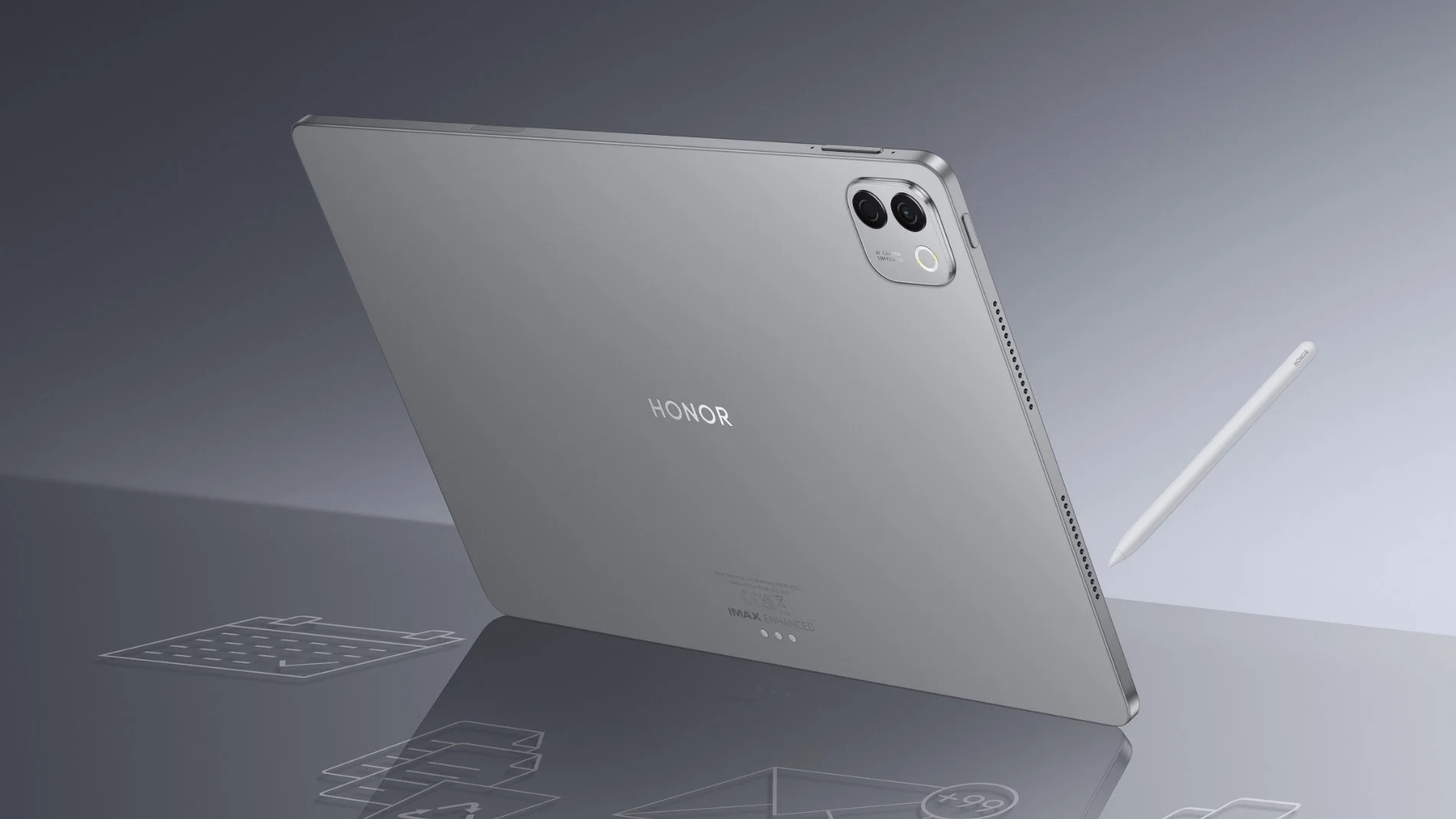
Ahead of MWC, Honor also announced what it claims is the thinnest Android tablet in the world: the 4.8mm thick MagicPad 4. We're expecting to hear more about this at Honor's press conference on Sunday, but so far we know it features a 12.3-inch 165Hz OLED display and weighs just 450g. It comes with up to 16GB of RAM and 512GB of storage, and is powered by Qualcomm's Snapdragon 8 Gen 5 chipset. The thinness doesn't count the camera bump, Honor notes. The MagicPad 4 has 13MP rear and 9MP front cameras. It also boasts spatial audio, with eight speakers.
Just as the display is slightly smaller than the previous MagicPad, the MagicPad 4 has a smaller battery at 10100 mAh. It comes with a 66W fast charger. The MagicPad 4 will run Honor's MagicOS 10. We don't yet know how much it will cost, but we'll update this after Honor's press conference (where we're also expecting to see the company's robot) with any new details.
Xiaomi x Leica
Xiaomi kicked off MWC this year by announcing the global launch of its 17 Ultra smartphone, which debuted first in China back in December. It's unclear if the phone will ever come to the US, but it's now rolling out in Europe. Xiaomi teamed up again with Leica to make a photography-focused smartphone, and the 17 Ultra sports a 1-inch 50-megapixel camera sensor with a f/1.67 lens, a telephoto setup with a 200MP 1/1.4-inch sensor, and a 50MP ultrawide camera. There's also a manual zoom ring around the camera.
Check out our hands on for our first impressions of what it's like shooting with the Xiaomi 17 Ultra. And there's more to it than just the camera. The 17 Ultra has a 6.9-inch OLED 120 Hz display that peaks at 3,500 nits of brightness, and a 6000mAh silicon-carbon battery. The Xiaomi 17 Ultra starts at £1,299 (roughly $1,750).
Leica also announced a new phone made in partnership with Xiaomi at MWC. It looks a whole lot like Xiaomi's 17 Ultra, but isn't the 17 Ultra, exactly.
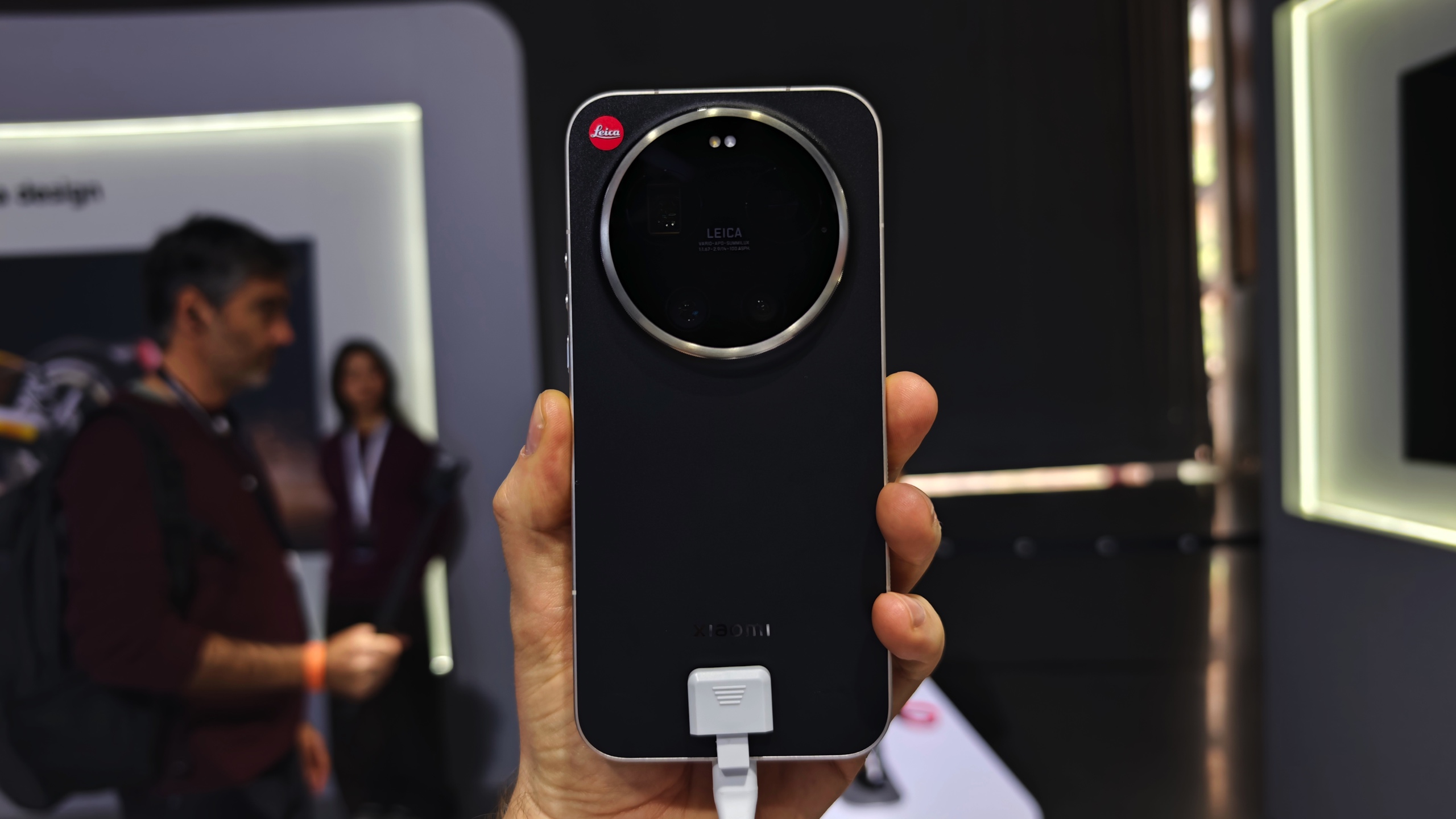
Like the 17 Ultra, Leica's Leitzphone by Xiaomi has a 1-inch camera sensor and physical controls for zoom and other settings, using a mechanical ring around the camera unit. It features a Leica-designed intuitive camera interface with the option to show just the essentials when you're shooting, hiding all the modes and labels. There's a monochrome shooting mode and Leica filters.
The Leica branding is splashed all over it in design and wallpapers, but it's otherwise pretty similar to the 17 Ultra, with the same specs. Like the 17 Ultra, it has a Snapdragon 8 Elite Gen 5 chip and a 6.9-inch 120Hz display. This one's priced at €1,999 (roughly $2,362).
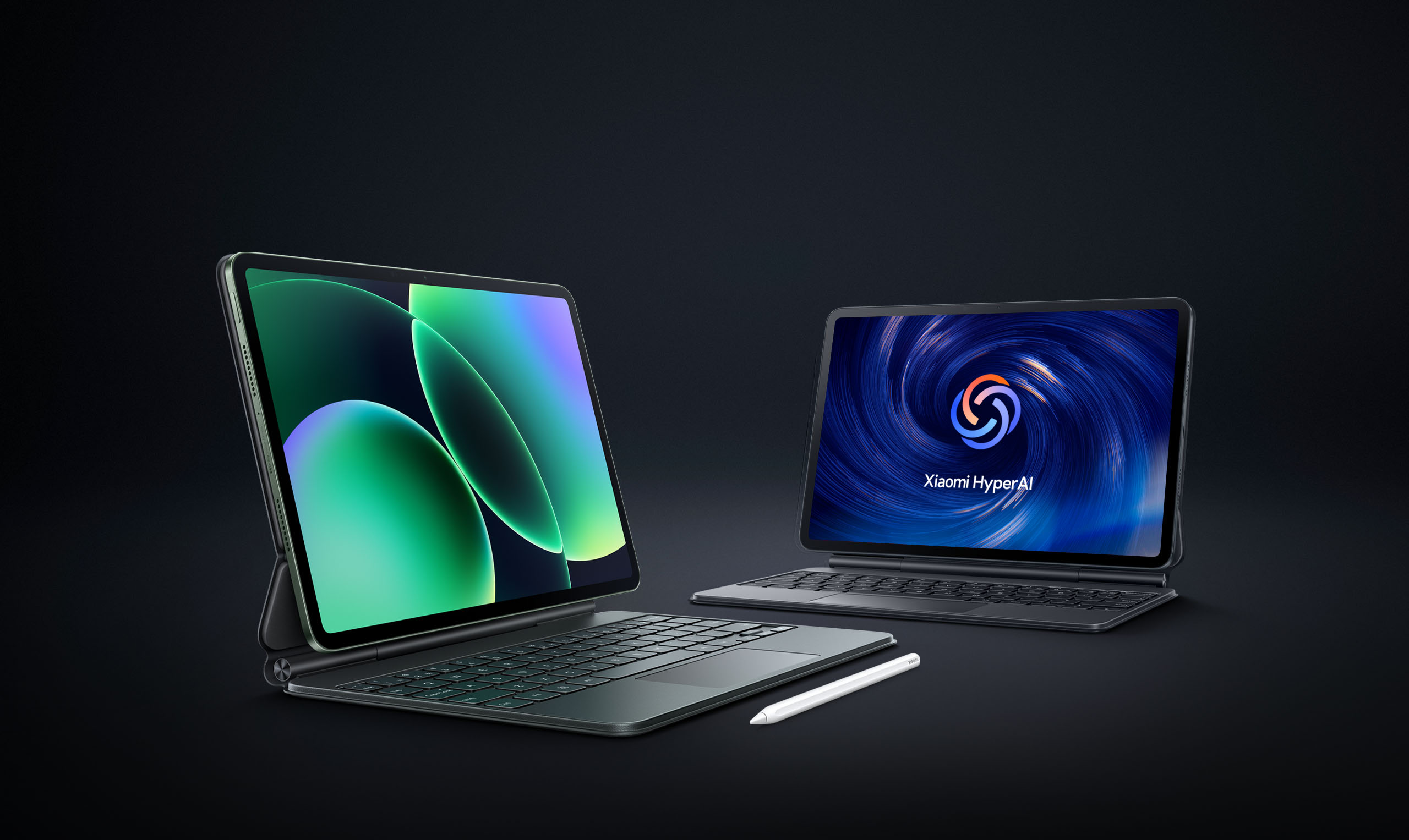
In addition to the 17 Ultra, Xiaomi announced two new tablets at MWC this year: the Xiaomi Pad 8 and Xiaomi Pad 8 Pro. There's nothing revolutionary here, but they're lightweight and thin, with both being 5.75mm thick and weighing 485g, and have a 9200mAh battery. The Pro model is powered by a Snapdragon 8 Elite chip, while the regular Pad 8 uses the Snapdragon 8s Gen 4 chipset.
Xiaomi also unveiled a new 5000mAh powerbank, the UltraThin Magnetic Power Bank 5000 15W. The 6mm thick power bank comes in three colors with an aluminum alloy shell: orange, silver and charcoal gray. Along with that, the company introduced the Xiaomi Tag, its own take on the Bluetooth item tracker. The Xiaomi Tag has a built-in hanging loop so it can be attached directly to a keyring, and the company says it will work with both Apple Find My and Google's Find Hub for Android.
Tecno
We can always expect to see some wild phone concepts at MWC, and this year we're starting with one from Tecno. The company unveiled a modular concept smartphone design that can be as thin as 4.9mm in its base configuration. There’d be 10 modules to choose from based on the announcement, including various camera lenses, a gaming attachment and a power bank, relying on magnets to keep it all together — or Modular Magnetic Interconnection Technology, as Tecno is calling it.
This article originally appeared on Engadget at https://www.engadget.com/mobile/everything-announced-at-mwc-2026-lenovos-wild-foldable-gaming-handheld-honors-robot-phone-and-more-172442814.html?src=rssCase Studies


Compass Music Platform


NewsWeek Magazine