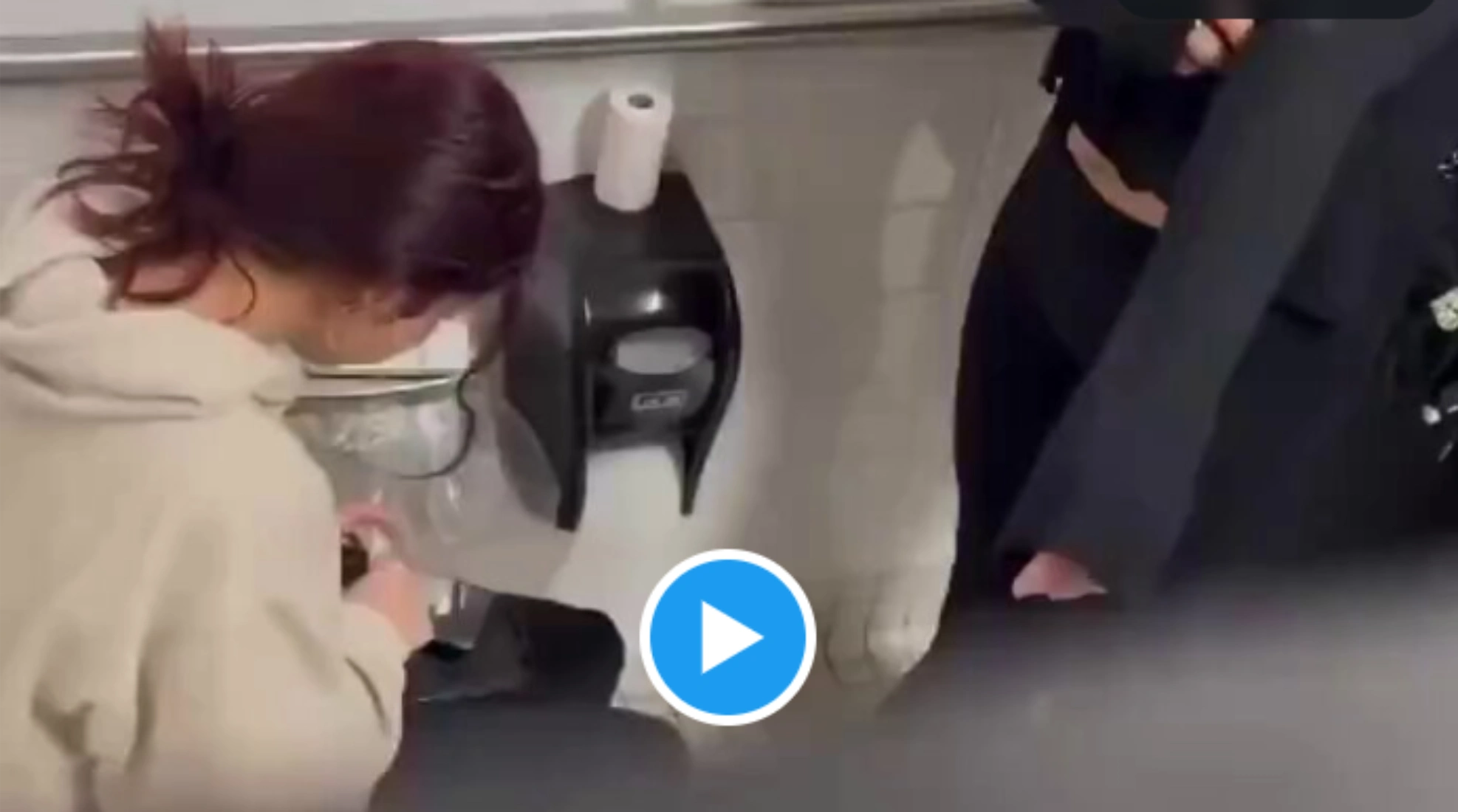
Watch the short video below
Students were discovered taking lines in a school bathroom right before classes smh pic.twitter.com/uL04N1nlO9
— Insane Tapes (@InsaneTape) April 5, 2026
It chiefly pertains to two separate yet interconnected matters: the consumption of illegal substances (narcotics) and the physical “lines” or queues created by progressively stringent school restroom regulations.
The subsequent analysis provides an overview of the present environment concerning this matter, the protective strategies educational institutions are implementing, and the societal repercussions.
The Framework of Substance Consumption
In a strict interpretation, “taking lines” pertains to the ingestion of powdered substances, particularly cocaine or pulverized prescription medications such as Adderall. Although substance abuse in educational institution restrooms is not a novel occurrence, recent years have witnessed a disturbing increase in the prevalence of fentanyl.
In 2026, numerous educational districts have indicated a “zero-tolerance” emergency. Restrooms have traditionally represented the “overlooked area” of educational security—the sole location where students can expect seclusion from surveillance devices. This confidentiality has resulted in an increase in hazardous activities, including “collective vaping” and more severe substance misuse. Educational institutions in Maryland and California, for example, have garnered attention recently for implementing advanced vape and chemical detection systems that notify staff immediately when the air quality fluctuates or a “hit” is identified.
The “Lines” Dispute: Monitoring versus Confidentiality
Paradoxically, numerous students are now “standing in lines” in the most literal sense: physically occupying them. To address the previously mentioned substance abuse and vandalism (popularized by social media phenomena such as “devious licks”), numerous high schools have instituted stringent restroom regulations.
Digital Access Passes: Platforms such as SmartPass have now become the benchmark within the industry. Learners are required to log out on an iPad, which initiates a countdown. If they are absent for over five to ten minutes, a notification is dispatched to security.
The “Walmart Greeter” Concept: Certain institutions have commenced assigning personnel outside lavatories. These personnel verify identification and permit only one student entry at a time, resulting in prolonged wait times in the corridor.
Secured Establishments: To enhance oversight, numerous educational institutions have restricted access to all but one or two “main” restrooms. This compels numerous students into a solitary location, resulting in considerable delays and leading to students missing instructional time.
Societal and Physical Effects on Learners
The resistance from students and guardians has been substantial. Numerous individuals contend that these actions regard every pupil as a potential offender.
Health Issues: Medical experts have expressed apprehensions regarding students “withholding” for the entire six-hour school day to circumvent lengthy queues or the perceived “embarrassment” associated with the digital monitoring systems.
Privacy Exhaustion: There is an escalating concern among Generation Alpha and Generation Z scholars that they are subjected to “complete oversight. ” From surveillance cameras in the corridors to time constraints on their restroom visits, the educational atmosphere is progressively resembling a penal institution rather than an academic establishment.
Inequity: Opponents highlight that these stringent “line” regulations frequently have an unequal impact on students with disabilities or persistent health conditions who may necessitate more regular or extended restroom breaks than a five-minute duration permits.
The Prospects of the “Restroom Dilemma”
As of April 2026, the inclination is shifting towards “Open-Concept” restrooms. This entails the removal of the principal exterior entryway and the implementation of a labyrinthine entrance design (akin to those found in airports), while ensuring that each individual stall remains completely enclosed and private. This enables educators to perceive events occurring within the space from the corridor, deterring substance abuse and “engaging in lines,” while simultaneously affording students the confidentiality necessary for their fundamental requirements.
Although the “boundaries” in the restroom continue to be a subject of disagreement, the discussion has evolved from mere regulation to a sophisticated discourse regarding the intersection of student safety and student rights.