Home Blog Page 7

How DNA Evidence Help Track Criminals After Decades of Crime

0

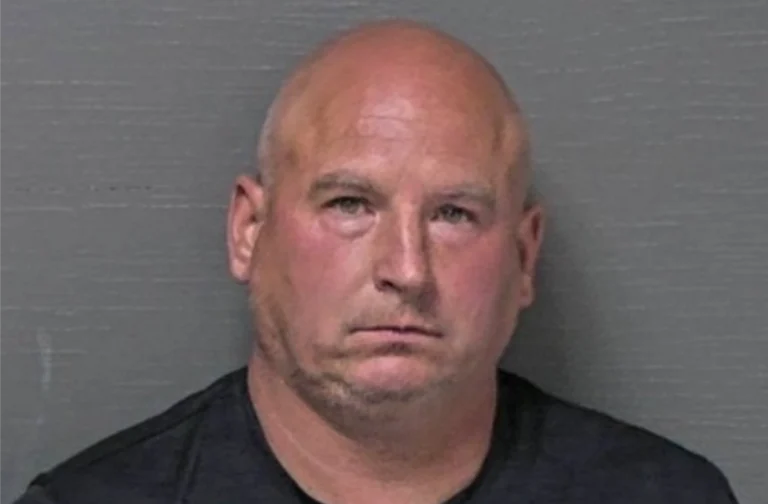
According to latest reports, new DNA evidence links Robert McCaffrey, 54, to the death of Lisa McBride in Vernon Township.

It’s honestly wild to think that a tiny smudge on a windowsill or a single hair left behind in 1984 can catch a killer in 2026. For a long time, if a case didn’t get solved within the first few months, it usually just gathered dust in a basement.

But DNA evidence has turned into a sort of biological time machine that’s completely rewritten the rules of justice.

Here’s my take on why this is such a game-changer for tracking down criminals decades after the fact.

  1. The Power of Genetic Genealogy

This is the biggest shift we’ve seen recently. Back in the day, police could only catch someone if their DNA was already in a criminal database (like CODIS). If the bad guy hadn’t been arrested for something else, the trail went cold.

Now, investigators are using Investigative Genetic Genealogy (IGG). They take DNA from an old crime scene and upload it to public heritage sites. By finding the suspect’s third or fourth cousins, they can build a massive family tree and narrow it down to one person. It’s how they caught the Golden State Killer after forty years of silence.

  1. Sensitivity and Touch DNA

In the 90s, you needed a pretty substantial sample to get a result—basically a visible bloodstain. Today, technology is so sensitive that we can extract a full profile from Touch DNA. This refers to the microscopic skin cells left behind just by handling an object.

Old Evidence: A discarded soda can or a piece of duct tape from a 1970s cold case.

Modern Result: Scientists can now vacuum or scrape those items for DNA that was previously invisible or too small to test.
  1. Preservation is Better Than We Thought

One of the coolest (and slightly eerie) things about DNA is how stable it is. As long as evidence isn’t left out in the sun or soaking in water, the double helix structure is incredibly resilient.

We are seeing cases where clothing stored in a cardboard box since the Korean War era still yields a perfect genetic map. It means getting away with it is no longer a matter of outrunning the clock; it’s a matter of waiting for the technology to catch up to the evidence.

  1. The Exoneration Factor

It’s not just about locking people up. Tracking criminals after decades also means finding out we got the wrong person. DNA has been the ultimate truth-teller, freeing hundreds of people who were wrongly convicted based on shaky eyewitness testimony. When the real perpetrator’s DNA finally matches a cold case, it provides a double layer of justice: the guilty are caught, and the innocent go home.

The Bottom Lines

DNA doesn’t forget, and it doesn’t lie. While digital footprints can be erased and memories fade, our biological blueprint stays behind. For criminals who thought they had “cleared” their past, modern science is proving that the past is never truly out of reach. It’s a bit of a terrifying thought if you’re a villain, but for everyone else, it’s a massive win for accountability.

Do you think there should be stricter privacy laws regarding how police use those public ancestry databases to find suspects?


A Powerful Lesson on How to Overcome Injustice

0

Let’s be real: we’ve got some incredible tech. We can FaceTime across the globe and we’re literally planning trips to Mars. But for all that future stuff, we’re still stuck on a major problem that we just can’t seem to shake: injustice.

It shows up in a million ways—rigged legal systems, uneven playing fields, or just the fact that where you’re born usually determines how far you’ll go. This isn’t just a “politics” thing; it’s a massive weight that holds the whole human race back from being what we could be.

Why It’s Such a Mess

Injustice isn’t usually just one bad thing happening to one person. It’s built into the walls. It’s that massive gap between what the brochures say (liberty, fairness, etc.) and what’s actually happening on the street.

When that gap gets too wide, everything starts to fall apart:

  • Nobody trusts the system: If you feel like the game is rigged, why even play? People give up on the idea of making a difference.
  • We lose out on genius: Think about it—how many world-changing ideas are we missing out on because the person who had them couldn’t afford school or was stuck in a cycle of poverty?
  • Society starts to crack: You can’t have a stable community if half the people feel cheated. History shows us that if a system isn’t fair, it’s eventually going to break.

The – Not My Problem – Trap

The biggest thing helping injustice stay alive? Apathy. It’s so easy to see a heartbreaking headline, feel bad for five seconds, and then keep scrolling. We tell ourselves the system is too big to fix or that “that’s just life.”

But injustice loves it when the comfortable people stay quiet. When we act like other people’s struggles are just unfortunate instead of fixable, we’re basically helping keep things exactly the way they are.

How to Actually Move the Needle

Fixing this doesn’t happen by accident. It takes work, and it starts with a few basic moves:

  1. Shut up and listen: We need to hear from the people who are actually getting the short end of the stick. Their stories are the best evidence we have for what’s broken.
  2. Look in your own backyard: You don’t have to be a senator to change things. Check out your job, your school, or your friend group. Are people being excluded? Are there weird barriers? Start fixing things right where you are.
  3. Call it out: Accountability is key. Yeah, it’s awkward to have that conversation, but staying quiet is worse. Support the people and the rules that actually push for fairness.
  4. Do your homework: Injustice usually hides behind boring paperwork or that’s just how we’ve always done it. Dig a little deeper to see why things are the way they are.

The Last Line

There’s that famous quote about the “arc of the moral universe” bending toward justice. It’s a nice thought, but let’s be honest: it doesn’t bend itself. It only moves when regular people grab it and pull with everything they’ve got.

Injustice isn’t some unchangeable law of physics. We built these systems, which means we can tear them down and build something better. It’s a heavy lift, sure, but it gets a lot lighter if we all grab a corner.

What’s the vibe in your neighborhood? Do you see people starting to speak up more, or is everyone still playing it safe? Let’s talk about it.

Little Black Girl Taps Her Magic, Guides Seal Into Performing Tricks

0

Most of us grow up and trade our sense of wonder for things like tax brackets and “worrying about the noise the dishwasher is making.” But every so often, the universe drops a video that reminds us we’ve been doing it all wrong.

I recently saw a clip of a young Black girl at commanding the attention of a seal in the water. She wasn’t just looking at the water; she was basically the CEO of the Ocean. Out of the blue, a seal popped up, looked her in the eye, and decided it was time for a vibe check.

The Secret Handshake

What followed wasn’t a biology lesson; it was a full-blown choreographed number. This wasn’t some toss a fish to get a trick situation. This was a soul-to-soul jam session.

  • The Synchronized Spin: She’d flick her wrist, and the seal would pull a 360 like it was trying to win So You Think You Can Splash.
  • The Harmony: When she danced, the seal danced. It was a masterclass in reading the room—or in this case, the harbor.

She wasn’t trying to tame the wild. She was just inviting it to the party. It turns out, when you project pure “I’m supposed to be here” energy, the world tends to agree with you.

Seeing a young Black girl command the attention of a seal isn’t just cute—it’s a power move. It’s a reminder of an ancestral “main character energy” that treats nature like a lifelong best friend rather than just a backdrop for photos.

She didn’t ask permission to be magical; she just showed up and let the magic do its thing.

How to Channel Your Inner Harbor Queen

If we want to live life with half as much swagger as this kid, we might want to try:

  1. Leading with the Vibe: She didn’t approach the water with a “please don’t bite me” face. She approached it as an equal. Imagine treating your Monday morning like a dance partner instead of a monster.
  2. Ditching the Script: There were no instructions. She just trusted her own rhythm. (Your intuition usually knows the choreography better than your brain does anyway.)
  3. Realizing You’re the DJ: The seal didn’t perform for the crowd; it performed for her. The energy you put out is exactly what the world is going to reflect back at you.

The Bottom Line

This kid is a walking (and dancing) reminder that magic isn’t something you buy at a gift shop or find in a dusty book. It’s in the way you show up to the harbor of your own life. It’s about being brave enough to tap your toes and see who—or what—decides to dance back.

Ivory Coast ‘Hot Lady Dance’ Moves

0

Not every good dance needs to stress a beautiful lady.

This hot African lady just shows us how easy it is to dance…

And captivate everyone!

Watch.

Girl Upsets Boy with “Illegal” Touches

0

We’re always preaching to kids about stranger danger, but we rarely talk about the awkward stuff that happens right in the classroom between peers. It’s a lot harder for kids to navigate when the person crossing the line is a classmate, not some scary person in a van.

I recently heard about a kid who was constantly being poked and grabbed by a girl in his class. She’d invade his space and then laugh it off, saying, “Relax, I’m just kidding!” when he told her to stop.

No surprise—the poor guy started hating school, couldn’t focus, and felt embarrassed. He probably felt like he was being a baby for letting a girl’s jokes get to him.

We need to make it clear: personal space matters for everyone, no matter their age or gender. Here’s the breakdown on why this is a big deal and how to help.

1. Boys Have Boundaries, Too

There’s this annoying idea that boys should just tough it out or that it’s a compliment if a girl is touchy-feely with them. That’s total nonsense. Every kid has the right to decide who touches them. If a boy says “don’t touch me,” that should be the end of it.

Period.

2. “Stop” Means Stop (Even if You’re “Joking”)

When a kid says stop, it shouldn’t be up for debate. If we let kids brush off a boundary by saying “it’s just a prank,” we’re teaching them that their feelings don’t matter as much as someone else’s fun. We need to teach kids that if the other person isn’t 100 percent into it, then it’s a no-go.

3. Keep Your Eyes Peeled

If you’re a parent or a teacher, watch for the red flags. Is a kid suddenly miserable about going to school or acting way quieter than usual? Talk to them. Ask simple things like:

  • “Is anyone at school making you feel weird?”
  • “Has anyone been touching you in a way you don’t like?”
  • “Just a reminder: your body is yours. You’re allowed to tell anyone to back off.”

4. What to Do When a Kid Reaches Out

If a child actually tells you something is up, don’t brush it off.

  • Believe them: It might seem like a small “poke” to you, but it’s a huge deal to them.
  • Practice saying “No”: Help them roleplay how to say, “I don’t like that. Stop touching me.”
  • Bring in the pros: If it keeps happening, it’s not “tattling” to tell a teacher. It’s making sure school stays a safe place. Adults need to step in to make sure the behavior actually stops.

The Big Picture

School should be about learning and hanging out with friends, not feeling creeped out. Let’s change the way we talk about this. Let’s teach kids that their no is a superpower and that respecting other people’s space is just part of being a decent human being. Standing up for yourself isn’t being a baby—it’s being confident.

If your kid is dealing with someone who won’t keep their hands to themselves, talk to the teacher. A quick, private chat can help set the tone for the whole class and make sure everyone knows where the line is.

Rumor Offset Fathered Cardi B’s Newborn Debunked by Court Facts – News

0

Listen, I love a good celebrity conspiracy theory as much as the next person. I’m still halfway convinced that some pop stars are actually three toddlers in a trench coat. but the internet latest obsession—the theory that Offset somehow isn’t the father of Cardi B’s newest bundle of joy—has officially hit a legal brick wall.

And honestly? It’s about time.

The Tea That Tasted Like Tap Water

For weeks, the corner of the internet that thrives on chaos was convinced they had it all figured out.

Because Cardi and Offset have a relationship status more complicated than a 1,000-piece puzzle of a clear blue sky, people assumed the math wasn’t mathing.

The rumors were flying faster than a Birkin at a sample sale, suggesting some mystery man was the real MVP behind the scenes.

Enter: The Courtroom (a.k.a. The Vibe Killer)

Unfortunately for the amateur detectives on TikTok, legal facts have this annoying habit of showing up with receipts.

Recent court filings and birth documentation have surfaced, and—spoiler alert—Offset is the father. No plot twist. No dramatic Maury Povich reveal.

No “you are NOT the father” backflips. Just a standard, government-verified “Yup, that’s his kid.”

Why We’re Like This

Why did we want this to be a scandal so badly? Maybe it’s because:

  • The Drama Addiction: We’ve watched these two break up and make up more times than I’ve hit “Remind Me Tomorrow” on a software update.
  • The Boredom: It’s 2026. We’ve seen everything. We needed a spicy paternity subplot to keep the group chat alive.

The Moral of the Story

At the end of the day, Cardi B is out here living her best life, recovering from literal childbirth, and Offset is officially on diaper duty (legally and biologically).

Can we all just take a collective breath and find something else to investigate? Like, I don’t know, why do my wireless headphones only die when I’m three minutes away from home? That’s the real mystery we should be solving.

Let the woman enjoy her baby in peace. The court has spoken, the DNA is settled, and the internet detectives can officially hang up their trench coats. Case closed.

Vitamins and Minerals Good for the Eyes: Zinc, B Complex, Vit. A, Others

0

Zinc

Zinc is crucial for ocular wellness as it aids in the transfer of Vitamin A from the liver to the retina to generate melanin, a safeguarding pigment. It preserves retinal wellness, reinforces cell membrane integrity, and functions as an antioxidant, with elevated levels detected in the macula. It significantly hampers the advancement of age-associated macular degeneration (AMD).

Nourishments: red flesh (beef, goat), avian products, ovum, and marine life such as crabs and crayfish.

Vitamin B Complex

Vitamin B complex vitamins (notably B1, B2, B3, B6, B9, and B12) contribute to ocular well-being by safeguarding the cornea and retina, sustaining nerve functionality, mitigating oxidative stress, and possibly diminishing the likelihood of cataracts, glaucoma, and macular degeneration. They are essential for transforming light into signals transmitted to the brain and alleviating dry eye conditions.

Liver and Organ Meats: Goat, beef, and chicken liver are arguably the most abundant sources of vitamin B12, vitamin B2, and niacin (B3).

Eggs: Extremely adaptable and rich in Vitamin B7 (biotin), B12, and pantothenic acid (B5), particularly the yolk.

Fish and Seafood: Titus (Mackerel), Cote, Shawa, Prawns, Oysters, and Crabs are outstanding sources of Vitamin B12 and Niacin.

Poultry and Meat: Chicken, turkey, and beef deliver vitamins B3, B6, and B12.

Dairy Items: Milk, yogurt, and cheese are beneficial sources of riboflavin (B2) and B12.

Magnesium

Magnesium enhances visual well-being by promoting circulation to the retina, minimizing oxidative strain, and functioning as a neuroprotective substance for nerve cells. It is especially associated with the management of glaucoma through the reduction of ocular pressure, enhancement of visual fields, and relief of dry eye symptoms by improving tear quality.

Nourishments: pulses (beans, soybeans), seeds (cashew seeds, peanuts), verdant vegetables (ugu, bitter leaf), and unrefined cereals (millet, sorghum). Essential foods additionally encompass oily fish (mackerel), plantains, okra, and bananas, which are vital for vitality and muscular performance.

Selenium

Selenium is a potent antioxidant that safeguards ocular tissues from oxidative damage, thereby assisting in the prevention or postponement of age-related macular degeneration (AMD) and cataracts. It is especially proficient at diminishing inflammation in thyroid eye disorder (Graves’ ophthalmopathy) and bolsters overall retinal wellness.

Nourishments: marine cuisine (mackerel, sardines, tilapia, crayfish), offal (liver), poultry, eggs, and seeds, notably peanuts.

Vitamin D3

Vitamin D3 serves a vital function in preserving ocular well-being by alleviating inflammation, regulating dry eye condition, and safeguarding retinal cells from oxidative damage. It enhances ocular health by possibly decelerating age-associated macular degeneration (AMD), alleviating dry eye symptoms, and regulating disorders such as diabetic retinopathy.

Nourishments: fatty fish (mackerel/titus, sardines, catfish), egg yolks, and enriched items such as dairy milk, yogurt, and certain cereals.

Calcium

Calcium is crucial for preserving ocular wellness by supporting retinal performance and possibly safeguarding against Age-Related Macular Degeneration (AMD). It aids in conveying nerve impulses from the eye to the brain and, at optimal levels, reinforces the stability of ocular tissues. Nevertheless, an excess of calcium may accumulate as deposits, resulting in visual problems and impairment.

Nourishments: dairy items (milk, yogurt), verdant vegetables such as Ugu (fluted pumpkin), Ewedu, and Oha, along with sardines containing bones, soybeans, tofu, and African locust beans (iru).

Vitamin A

Vitamin A is vital for ocular well-being, serving an important function in preserving clear eyesight, assisting the cornea, and facilitating vision in dimly lit environments (nocturnal vision). It is a constituent of rhodopsin, a pigment located in the retina that assists in transforming light into visual representations. Insufficiency leads to nocturnal vision impairment, severe dryness of the eyes (xerophthalmia), and possible harm to the cornea.

Nourishments: crimson palm oil, organ meat, poultry ovum, orange-hued sweet potato, and verdant foliage such as Ugu. Additional primary sources include enriched yellow cassava, carrots, mangoes, and papaya.

Video Shows How Hot African Ladies Are Showing It Off

0

The Luminous Shine: The Ascendance of African Beauty on the Worldwide Platform

In the realm of fashion, social media, and popular culture, there is an unmistakable transformation occurring. From the catwalks of Paris to the online platforms of Instagram and TikTok, the globe is ultimately awakening to what numerous individuals have recognized for decades: African allure is unparalleled.

When we discuss African women, we are not merely referring to visual attractiveness.

We are discussing a formidable combination of assurance, legacy, and a fashion that is presently shaping international trends.

This is the reason the globe is presently captivated by the allure and impact emanating from the continent.

  1. An Expert Session in Adaptability

One of the most distinguishing attributes of African beauty is its boundless adaptability. Whether it is the elaborate craftsmanship of conventional braids, the striking sophistication of a gele, or the effortless shift from natural curls to polished, high-fashion forms, African women are establishing the benchmark for self-expression.

The beauty sector is finally progressing, recognizing that African beauty is not a singular entity—it represents a broad, vibrant, and varied spectrum.

It honors richly pigmented skin tones, diverse hair types, and captivating characteristics that have established the foundation for contemporary beauty norms.

  1. The Ascendancy of the African Influencer

As you peruse your feed today, you will probably encounter content creators from Lagos, Nairobi, Johannesburg, or Accra garnering millions of followers. These women are not merely influencers—they serve as cultural representatives.

They are demonstrating to the globe that African aesthetics are synonymous with opulence, inventiveness, and audacious fashion.

Regardless of whether they are showcasing local creators or luxury fashion, African women are demonstrating that it is not necessary to sacrifice your cultural heritage to be prominent in the international fashion arena.

  1. Assurance as the Supreme Adornment

You can detect it from a significant distance: the “African radiance. ” It transcends a mere skincare regimen—it embodies a philosophy. A clear, unreserved confidence characterizes the contemporary African woman.

It is the elegance of a sovereign who understands her heritage and the determination of a pioneer shaping the future.

This assurance is contagious. This is the reason African women are presently being sought after for major international campaigns, ranging from beauty powerhouses such as Fenty to the front pages of Vogue and Harper’s Bazaar.

  1. Commemorating the Heritage

Aesthetics in Africa are profoundly connected to cultural heritage. It lies in the manner traditional motifs are reinvented for contemporary urban fashion, and in the honoring of cultural lineage. Upon witnessing a woman celebrating her heritage—be it through her attire, her vernacular, or her artistic expressions—it fosters a degree of genuineness that contrived trends are unable to duplicate.

The Conclusion

The African babe aesthetic is not a fad that will diminish over time. It is an initiative. It is a commemoration of melanin, of heritage, and of the courageous, innovative essence that persistently influences the future of international aesthetics.

Thus, let us celebrate the women who persistently challenge limits, dismantle obstacles, and remind us all that authentic beauty lies in being unabashedly your true self.

Who are some of your preferred fashion influencers from the continent at this time? Please share your thoughts in the comments section below!

A Little More About Leggy Ladies

0

When people hear “leggy ladies,” they usually picture a supermodel gliding down a Parisian runway or a 1940s Hollywood starlet stepping out of a limo. We get it—the “long-limbed” look is basically the gold standard of elegance.

But let’s get real: what’s it actually like to navigate life when your legs are longer than a CVS receipt? Let’s pull back the curtain on the glamour, the physics, and the struggle of finding jeans that don’t look like capris.


The Science of the Strut (or: Why Am I Like a Gazelle?)

Those long limbs aren’t just for looking good in slow-motion montages. Evolutionarily speaking, long legs were built for speed and stamina. In the wild, if you have long legs, you’re probably a gazelle or an ostrich. In the suburbs, it just means you’re the person everyone complains about walking too fast.

Artists have been obsessed with this silhouette since the Renaissance. Why? Because it’s all about the vertical. It’s about how fabric hangs off a frame without bunching up like a sad accordion. You’re essentially a human coat hanger, and honestly? That’s a vibe.

Fashion Tips: How to Not Look Like You’re Wearing Your Little Sister’s Clothes

If you’ve been blessed with legs that start at your armpits, here is how to work the look without looking like you’re on stilts:

  • The High-Waist Hack: High-waisted pants are your best friend. They basically tell the world, “My legs actually start at my ribs, deal with it.”
  • The “One-Color” Cheat Code: Wearing the same color from top to bottom (monochrome) makes you look like one continuous, sophisticated line. It’s an instant “tall” filter for real life.
  • Midi Skirts are Your Secret Weapon: While everyone else looks like they’re drowning in a midi skirt, on you, it’s a fashion statement. Pair it with an ankle boot and prepare for people to ask if you’re in the industry.
  • The “I Meant to Do That” Energy: The best accessory isn’t a bag—it’s confidence. If you walk like you own the sidewalk, people will believe you.

It’s Not Just About the Inseam

Being leggy is a great label for a magazine, but the women actually living it are doing way more than just standing around. Whether they’re sprinting on a track, crushing it in a boardroom, or just trying to fit into an airplane seat (the struggle is real), these women are literally taking up space and owning it.

We’re way past the point where your value is tied to your height. Being tall/long/leggy is just one chapter of a much cooler story about being strong, agile, and occasionally hitting your head on low-hanging chandeliers.

The Verdict

Whether your legs are miles long or you’re a short king/queen who’s small but mighty, the real goal is just feeling comfortable in your own skin. The fashion world will always be obsessed with height, but true style is just how you carry yourself.

So, here’s to the tall girls, the vertically gifted, and everyone in between. Keep walking fast, keep setting the pace, and for the love of everything, watch out for low ceilings.

What’s your go-to move for showing off your stems? Or do you have a favorite tall icon who makes you feel less like a giraffe and more like a goddess? Drop a comment and let’s chat!

Agencies Dismantle Significant Fentanyl Operations in the Bronx and Manhattan

0

Federal and municipal officials disclosed a significant advancement in the battle against the opioid crisis on Friday, unveiling the dismantling of three extensive fentanyl packaging operations—often referred to as mills—located in the Bronx and Upper Manhattan.

The collaborative operation, carried out on Wednesday, April 8, 2026, culminated in the confiscation of around 42.5 kilograms (exceeding 90 pounds) of fentanyl, with an approximate market value of $7.5 million.

The Operation: Conflict Area and Taliban Labeling

Agents from the DEA’s New York Task Force Division and the Office of the Special Narcotics Prosecutor conducted court-sanctioned searches at three residential sites situated within a three-mile proximity of one another.

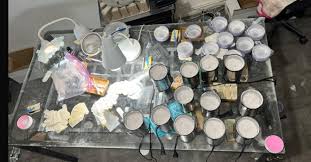
Authorities characterized the conditions within the residences as sophisticated narcotics manufacturing facilities. In a Belmont residence, authorities discovered glassine packets drying in a heated oven and a tray of fentanyl positioned beneath heat lamps to expedite the packaging procedure.

The pharmaceuticals were being labeled with titles intended to promote their strength, featuring insignias such as War Zone and Taliban (accompanied by a depiction of a firearm).

Targeted Locations

The three mills functioned autonomously yet in close vicinity to vulnerable community zones:

Bronx Mill 1: 1560 Selwyn Avenue (Concourse/Mount Eden)

Bronx Mill 2: 2411 Prospect Avenue (Belmont) — situated merely a few blocks from the Bronx Zoo, Arthur Avenue, and two nearby educational institutions.

Manhattan Mill: 515 West 183rd Avenue (Washington Heights)

Casualties of the Mission: K9 Involvement

The peril associated with these operations was highlighted during the Belmont raid when Mulk, a narcotics detection canine from the NYPD, started exhibiting signs of fentanyl exposure. K9 Mulk was promptly attended to and is anticipated to recuperate, but authorities used the occurrence to emphasize the severe instability of the synthetic opioid.

Detentions and Allegations

Eight individuals were apprehended and indicted on multiple charges related to the unlawful possession of a controlled substance and the illicit use of drug paraphernalia. In the Washington Heights area, officials also seized two fully loaded firearms—a . 357 revolver and a 9mm Beretta—resulting in further weapons-related accusations.

“The quantity of fentanyl confiscated is immeasurable concerning the lives it potentially could have claimed,” stated Bronx District Attorney Darcel D. Clark. Operating these facilities within residential structures adjacent to educational institutions and the Bronx Zoo demonstrates a blatant indifference towards our community.

Community Influence

The DEA observed that the 90 pounds of confiscated fentanyl equates to millions of possible fatal doses. The inquiry remains active as officials examine the supply network that supplied the essential materials for these large-scale mills.

Look Through